A Student Housing Showing Has to Describe the Block
By Richard Joseph Spinelli, Sandhills Real Estate
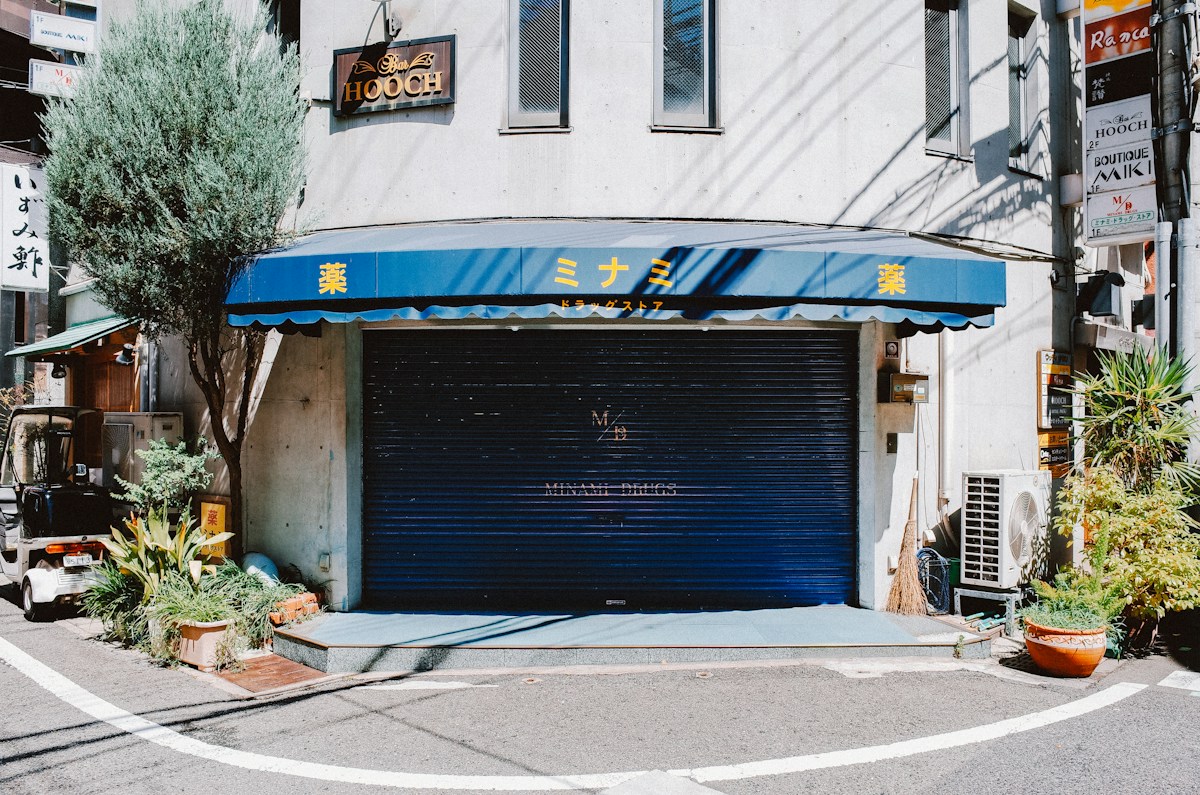
At seven on a Tuesday evening in October I walked a group of five down Arthur Avenue after a showing, past two storefronts with their gates down and one that was still busy. The strongest case against doing that is one I have heard from operators I respect, and it runs like this. Show the apartment, stay quiet about the block, because the block is not yours to sell and every sentence you say about it is a promise you cannot keep.
I go by the full name in writing, Richard Joseph Spinelli, and Sandhills Real Estate is the firm, cofounded in 2020 and buying and renovating near Rose Hill since 2022. Bathgate Avenue, Lorillard Place and Belmont Avenue carry most of what we own, which is 27 units across 13 properties with more than a hundred students living in them. Belmont is the neighborhood, and these are blocks I have walked in every season since we started buying on them.
That case for silence is better than it sounds, and it deserves to be taken at full strength before anyone argues with it. It protects an operator from a complaint in February about a place that closed in December, and it keeps the conversation on the one thing a landlord actually controls, which is the unit. I think it is still the wrong call, and what follows is written for operators in other college markets who have to decide the same thing at their own showings.
Should a landlord talk about the neighborhood during a showing?
Yes, and the useful version names what is not there as well as what is. A group is choosing a block whether or not the landlord describes it, so silence does not prevent that decision, it only means the description arrives from somewhere with no accountability attached.
They will get a description anyway. Five people about to sign for a year will walk the block at night, ask a friend who lived two doors down, and read whatever a listing site says about the area. The only open question is whether the person who owns the building is one of the voices in that conversation, or the one voice in it that stayed silent on purpose.
This is not the same measurement I have written about before. I buy on walk time rather than blocks on a map, which is a filter applied long before anything is signed and has nothing to do with what gets said on a sidewalk in October. The walk in this post belongs to the group, and it happens while they are still deciding.
Universities tell students to check the neighborhood at different times of day and night before they sign anything. The same guidance tells them to look at what is close by, the shops and the groceries and the restaurants, because those decide what an ordinary week actually feels like. Both of those are questions about the block, written down by the institution the group already trusts.
A block is not a feature of the apartment and it decides more of the year than the apartment does.
What the block looks like at the hour they will live on it
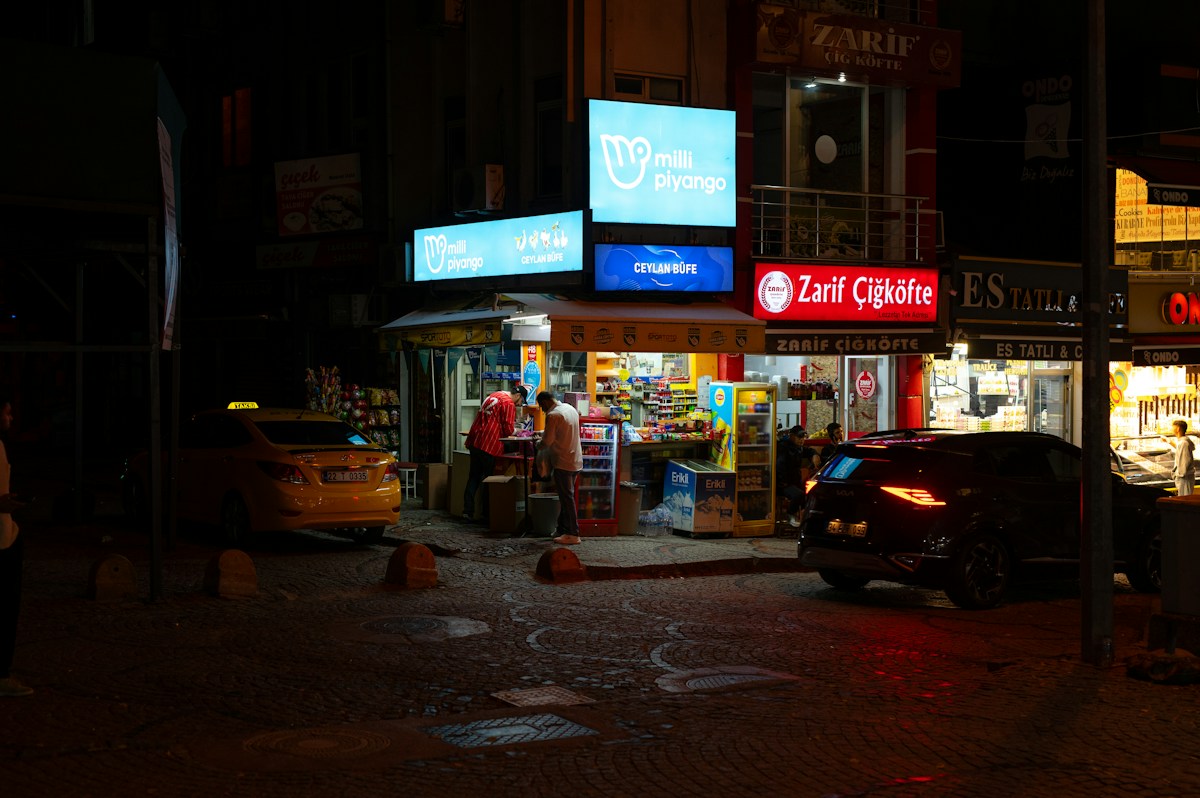
A Saturday afternoon in September is the easiest version of any block in this city. The showing that tells the truth is the one answered on a Tuesday in February at six in the evening, when half of what a group pictured is dark and the walk from the gate feels twice as long as it did in the warm months. I would rather hand a group that version myself than have them meet it in week three.
So the walk after the showing is part of the showing. We say which places keep late hours and which close early, where the stretch stays lively and where it goes quiet, and what the block sounds like on a weekend night with the windows open. Live Off the Hill is the name we lease under, and the account it carries has to survive contact with a Tuesday in February.
Around one campus that account travels faster than anything a landlord could buy. Fordham is a closed network, and a closed network keeps score on a landlord in a way no amount of polish corrects later. A group told the truth about the block repeats it, and a group handed a better story repeats that too.
What should students ask a landlord about the neighborhood?
Ask what is open on a weekday evening, what the walk home is like after dark, and which of those the landlord actually controls. That third question sorts an honest answer from a sales answer, because it makes the landlord say out loud where his promises end.
My own answers to it are plain. The apartment, the systems inside it and the response when something breaks are mine, and I will put a time on all three in front of five people who are about to hold me to it. The block is not mine, and the most I can honestly offer there is an accurate account of it on the day we are standing in it.
Another operator can read that and call it naive. I volunteer the weak parts of the block before anybody asks, which means some evenings I am doing the work of the house three doors down, and I have watched a group thank me for the honesty and then sign a lease somewhere else. I keep doing it, because the alternative is a household that works the block out in October and spends the other eight months reading everything else I told them in that light.
The part of the block I cannot promise
Arthur Avenue will change without asking me. A place that anchors the stretch can close in a quiet January, and the account I gave a group in April is then a description of something that no longer exists, which they are fully entitled to hold against me. I have no answer to that beyond saying it before it happens.
That is the real cost of describing the block at all, and I accept it rather than solve it. The second cost is simpler and arrives every leasing season, which is that honesty on a sidewalk loses leases, and some of the groups it loses would have been good for the house and good for the block. I have not found a way to keep both the candour and the lease, so I take the loss on the lease and count it as the price of the account.
What I can promise is the part with my name on it, and what I can offer past that line is an accurate report from somebody who walks these streets in February. The group signs for the block either way, so the only thing left for the landlord to decide is whether they heard about it from him first.
Richard Joseph Spinelli is the cofounder of Sandhills Real Estate, a student housing owner and operator in the Bronx. More at richardjosephspinelli.com.
Photos by PJH and Rick Dekker on Unsplash


