Campus Proximity Is Measured in Walk Time Not Blocks
By Richard Joseph Spinelli, Sandhills Real Estate
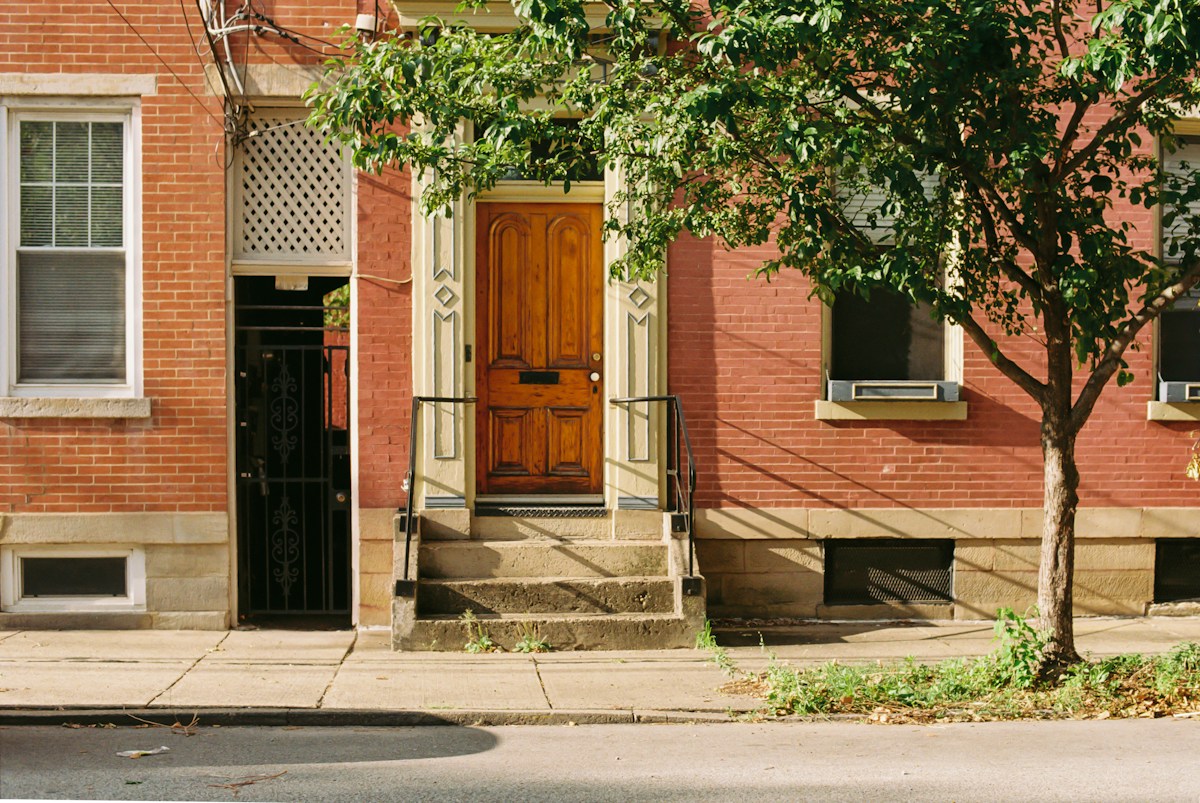
My first move on the stoop of a house I was thinking about buying was to take out my phone and start a timer. Then I walked to the Fordham gate at Rose Hill, because that is the walk a group living in that house would make twice a day in term time. Richard Joseph Spinelli is who you are reading, and Sandhills Real Estate, which I cofounded in 2020, has been buying around that campus since 2022.
The portfolio is 13 properties and 27 units in Belmont, housing more than 100 students in apartments and houses of three, four and five bedrooms. They sit on Lorillard Place, on Bathgate Avenue and on Belmont Avenue itself. Every one was bought after somebody walked it, then walked away from it to the gate with a phone running.
How close to campus does student housing need to be?
Close enough that the walk stops being a decision. In practice that means a walk a group will make without arguing about it in February, which is a question about minutes and about what those minutes are like, rather than about the number of blocks a map counts.
The timer gave me a number that Monday and I wrote it on the same notebook line as the address. I have done that for every house we have bought and most we did not. The number does not decide a purchase on its own, but it is the first thing on the page.
What goes next to the number is shorter than anyone expects: whether the walk crosses a wide street and where, whether there is light on the last stretch, and whether somebody carrying a week of groceries would take it or call a car. None of that appears on a listing sheet.
Students walk more than most people do, so none of the published work on walking is written about them exactly. It is still the clearest evidence I know that the question people answer in their heads is a question about time. Asked what counts as a reasonable walk, less than half of American adults put the line at a mile or at twenty minutes.
What the walk told me that the listing did not
By Tuesday I had been through the cellar with a flashlight and onto the roof, which is where I decide whether a building is worth the rest of the week. That has not changed, and I have argued before that the roof and the cellar carry the failures you cannot work around. The walk answers a different question entirely.
The cellar and the roof tell me whether the building is sound. The walk tells me what that building is worth to the only customer it has, which is a group of five choosing in March between two houses they have both seen. National travel data finds large variation among purposes in both how far and how long people walk, and nothing about the walk to a nine in the morning class resembles the walk to a shop.
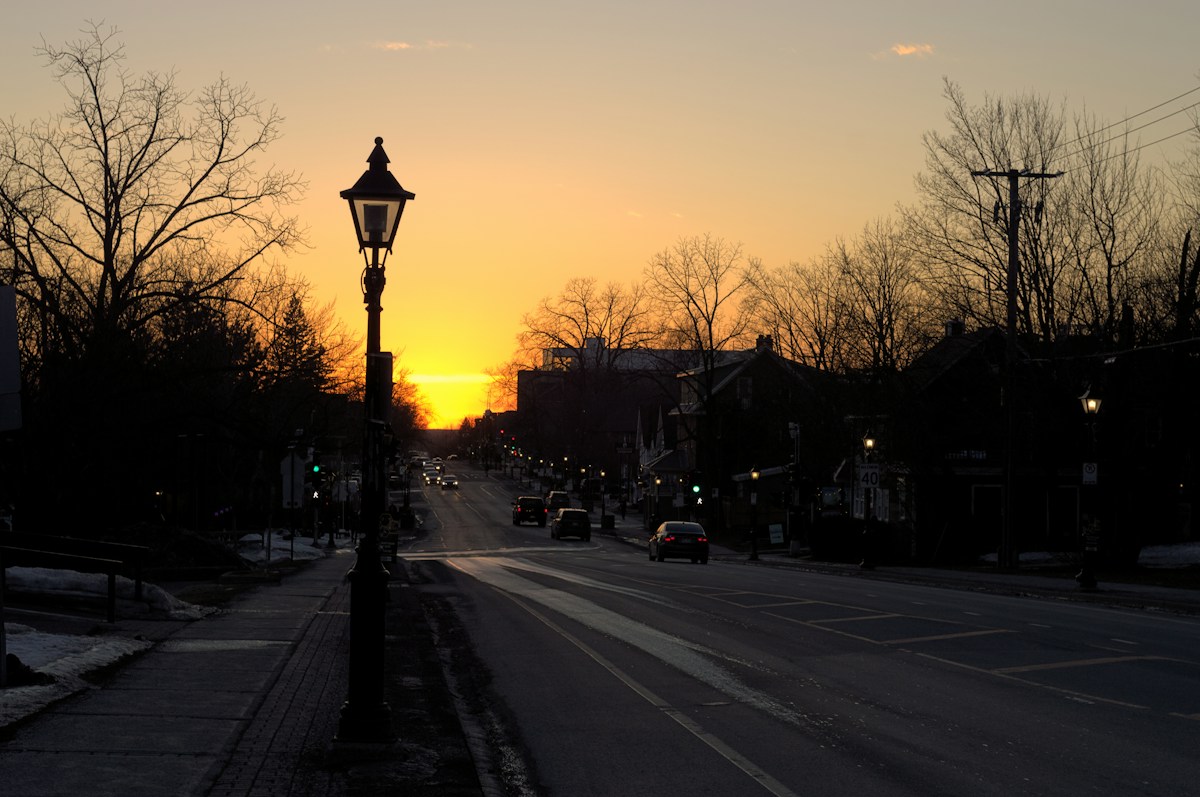
On Wednesday I made the same walk at eight in the evening. The distance was identical and almost nothing else was. The lit stretches were different, the crossings felt longer, and what was open along the way had mostly closed.
By Thursday the address in the notebook carried two numbers instead of one, a daytime walk and a walk in the dark, and the gap between them was wider than the gap between that house and one I already own three streets back. Friday went to the rest of the questions a purchase asks. The walk had done its work by then, which was to say what kind of house this was.
Is walking distance to campus the same as walking time?
No. The same measured distance makes a different walk depending on the grade, the crossings, the light and the hour, which is why the people who study this describe a place by how it treats someone on foot rather than by a radius on a map.
The planning word for that is walkability, and the definition turns on the extent to which a place encourages and facilitates walking through planning and design. Two houses the same measured distance from the gate can sit on opposite sides of that definition. I have bought the slower one on purpose.
The habit behind the timer is the one I have described elsewhere as buying by the map, with one correction. The map worth buying by is the one a nineteen year old carries in their head, and that map is drawn in minutes and in how the minutes feel.
Another operator would tell me this is theater. Every house we own sits a few blocks from the same campus, the argument goes, so the walks are all short and timing them is a way of looking rigorous while buying on instinct. That reading is fair and I pass on houses over the walk anyway, including houses that were sounder than ones I already own.
The walk changes and the building cannot
What I am buying, when I buy on the walk, is a condition I do not control. A kitchen can be rebuilt over a summer and a riser can be replaced. The stretch between a stoop and the gate belongs to the street, the city and the season, and no work inside the house moves it.
You can renovate a kitchen and you cannot renovate a walk.
The second cost is the one an October number hides. Timing a walk in October and again in February produces two different numbers, and February is the one a group remembers in March when they decide whether to sign again. I underwrite the worse of the two, which means houses that would serve perfectly well for nine months of the year never enter the portfolio at all.
That is a real loss and I count it as one. Some went to operators happy to take them, and a few are better buildings than two or three of mine. The filter still holds, because the walk is the part of the purchase a group experiences every day and the cellar is the part they will never see.
A map will tell you two houses are the same distance from the gate, and the groups who live in them will never say so.
Richard Joseph Spinelli is the cofounder of Sandhills Real Estate, a student housing owner and operator in the Bronx. More at richardjosephspinelli.com.
Photos by Zhen Yao and Welldone Izere on Unsplash
Sources
Walking for Transportation What do U.S. Adults Think is a Reasonable Distance and Time
Walking Distance by Trip Purpose and Population Subgroups
Walkable Mississippi Introduction to Walking and Walkability Issues


