Heat in Prewar Buildings Is Uneven by Design
By Richard Joseph Spinelli, Sandhills Real Estate
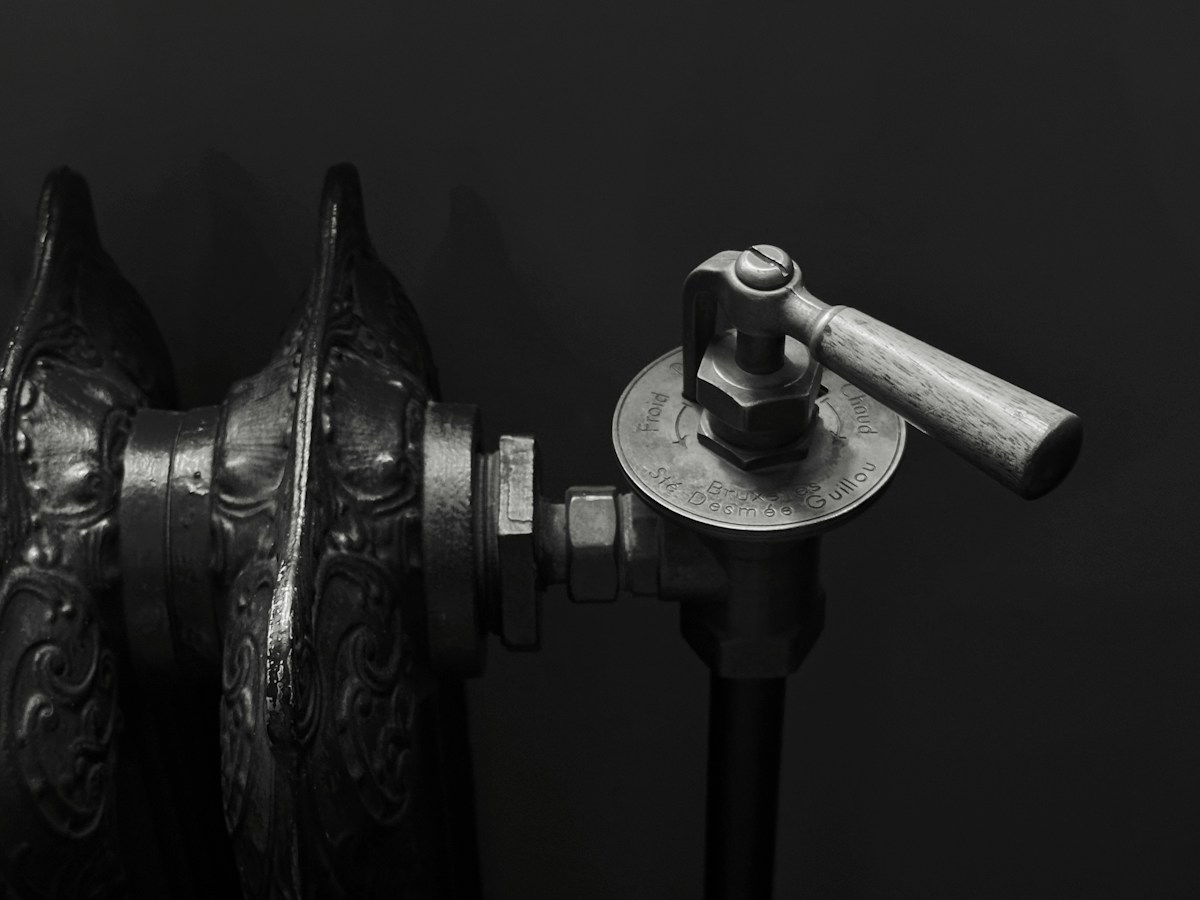
The call comes in the second week of January and it is always the same call. A back bedroom on the top floor of a Lorillard Place house, one of five under that roof, is sitting at the temperature of a stairwell, while the front room two doors down the hall is warm enough that somebody has opened a window onto the street. I put my name, Richard Joseph Spinelli, on every one of those leases, and on a January morning I am also the person who climbs the stairs to stand in the cold room.
Sandhills Real Estate owns and operates 13 student housing properties and 27 units around Fordham, most of them prewar houses and apartments in Belmont. In nine winters out of ten that call is the building doing exactly what it was built to do, and nothing in it has failed. Understanding that is the difference between a week of guessing and an afternoon of work.
Why is one bedroom always colder than the rest of the apartment?
Because the heat in an old house was distributed room by room when it was built, and the rooms at the end of the run get what is left. A back bedroom with one small radiator, two cold walls and a long pipe behind it will always lose that contest.
The original plan assumed a family that heated a floor as one space, with the doors standing open and a stove going in the kitchen half the evening. A group house in October runs the other way entirely. Five closed doors, five different ideas of comfortable, and a back room nobody walks through until it is time to sleep.
So the house gets asked to do something it was never laid out for, which is to hold five separate rooms at five separate temperatures off one system. Nothing about the plumbing changed when the use did. The rooms at the far end simply became bedrooms somebody is in for eight hours a night instead of a spare room with the door shut.
Universities that still run steam heat in their own older buildings describe the same condition plainly, that the area around the thermostat tends to be comfortable while other parts of the building run too hot or too cold. That description is written about a campus hall with a facilities department behind it. The same arithmetic runs in a Belmont house from the 1920s with one thermostat screwed to a hallway wall.
What the system is actually doing on a cold morning
One thermostat in a hallway reads a single spot in the house and switches the whole system on that reading. When the hallway reaches its number the heat stops, whatever the back bedroom happens to be doing at the time. There is no mechanism in the house for the back bedroom to object.
The front rooms sit closest to the riser and warm first, so they are comfortable while the end of the run is still catching up, and then everything shuts down together. Over a January week those two rooms are effectively in different buildings. One of them has a resident who sleeps in a sweatshirt and one of them has a resident who opens a window.
A thermostat in a hallway is a vote taken in one room and applied to five.
Universities tell their own students the same thing about the knob, that adjusting it to a particular setting may not hold one temperature through the season, because the water in the system follows the weather outside. A resident turning a valve in a cold room is asking for more of whatever the system is sending that day. That is a different thing from choosing a number and getting it.
This is the same stubbornness I have written about before in the places where old buildings refuse a standard, and heat is where it shows up hardest. A faucet is a faucet in any of our houses. A heating run belongs to the house it was installed in and to nothing else.
Can a landlord fix uneven heat in an old building?
Partly, and never completely. Balancing the system, clearing the valves, insulating the pipe runs and getting the radiator sizing right in the worst room will narrow the gap, and the gap does not close.
The ordinary advice for a building where one area takes more heat than it needs is that the system has to be balanced, and balancing is a day of work in a cellar rather than a setting somebody forgot to change. It is also work with no showing value whatsoever. Nobody tours a house and asks when the risers were last insulated.
We schedule it in October, which is the month it belongs in, because the alternative is finding out in January. By then a resident has lost a week of sleep before anyone opens the cellar door, and the conversation has stopped being about a radiator. Speed matters here more than it looks like it should, which is part of why speed is the product in this business, and a cold room answered in two days is a different tenancy from a cold room answered in two weeks.
The honest limit is the room itself. There are back bedrooms in this portfolio that will be the cold room for as long as the house is standing, and the work moves them from uncomfortable to tolerable rather than to warm. We have spent real effort on rooms that barely moved, and that effort could have gone into a kitchen a group would have noticed on the first tour.
Describe the cold room before the group signs
So we name it at the showing. We tell a group which bedroom runs cold in February, standing in that bedroom, before anybody has signed anything, and then we leave them to work out among themselves who takes it. The conversation lasts about a minute and it happens every spring.
Plenty of operators would call that talking yourself out of a lease, and I understand the argument. In a tight leasing week it has cost us a group that went instead to a house where nobody raised the subject, and the person who said it out loud was me. I hold the line anyway, and I would rather lose that group than win them on something the building will contradict in four months.
A group that heard it in April treats the cold room as a condition of living in an old house, which is what it is. The same group told nothing in April treats it in January as a landlord who knew and said nothing. That second judgment does not stay on the radiator, it attaches to the repair response, to the renewal conversation and to what they tell the group behind them.
The cost of the honest version is measured in leases and it is real. The cost of the quiet version is measured in trust, which is the thing a one neighborhood operator actually runs on, and it comes due in the coldest week of the year. I would rather pay in April.
An old building keeps its own arithmetic, and the only part of it I control is whether a group hears about the cold room from me or from a February morning.
Richard Joseph Spinelli is the cofounder of Sandhills Real Estate, a student housing owner and operator in the Bronx. More at richardjosephspinelli.com.
Photos by Yuanzheng Xiang and Point3D Commercial Imaging Ltd. on Unsplash
Sources
Overview of Building Temperature Control Parameters
Heating Your Room
Heating System Maintenance


