Group Showings Are Decided Socially and Decided Fast
By Richard Joseph Spinelli, Sandhills Real Estate
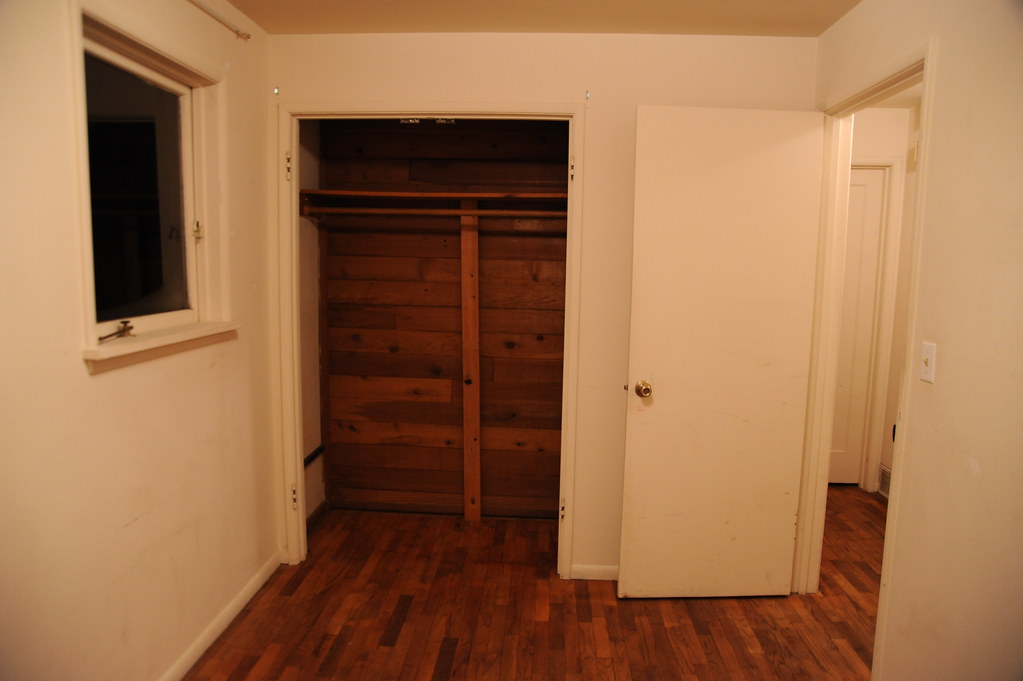
Five students stood in the living room of a four bedroom apartment on Lorillard Place, and I stepped back out to the sidewalk and let them talk. When I came back in they had already decided, and one of them was asking how soon they could sign. My name is Richard Joseph Spinelli and I cofounded Sandhills Real Estate, a student housing owner and operator working the blocks around Fordham University's Rose Hill campus in the Bronx.
This one is for anyone who shows apartments to groups rather than to individuals, and who has noticed that the showing which felt best is not always the showing that converts. A group behaves as one customer carrying five opinions rather than as five customers standing next to each other. It reaches its decision in a way that has very little to do with how well the apartment was presented.
Student Groups Decide Together and They Decide Fast
Watch a group move through a unit and you will see the decision happen in the room rather than afterward. Someone claims a bedroom out loud, someone else laughs and claims the one across the hall, and the rest of it is about who pays what and whether the fifth person will be back from a semester abroad in time. Nobody is weighing this kitchen against the kitchen they saw an hour ago.
That exchange takes about ten minutes and it is social before it is practical. The group is deciding whether living together in this particular arrangement of rooms sounds good, and they can only answer that in front of each other. An operator standing in the middle of it becomes an audience, and an audience changes what people are willing to say out loud.
So the most useful thing I do at a group showing is leave. I open the doors, answer whatever I am asked, then go stand on the sidewalk or in the hallway for a few minutes. It feels like walking away from the sale and it is the reverse of that.
Groups also form long before they search, usually inside the social calendar of the university, which is something the professional association for campus housing officers understands better than most private landlords do. By the time five people are standing in one of my living rooms they have already made the harder decision. The apartment is the second decision and it is a much faster one.
A Good Showing Gives the Group Room to Talk
Most leasing advice assumes a single decision maker who needs information, so it teaches presentation. Point out the light, mention the laundry, open the closets, keep the energy up. With a group that instinct works against you, because every sentence I add is a sentence they cannot use to talk to each other.
The national research on rental housing tends to describe renters one household at a time, and five people signing one lease are a household that the usual survey shape does not quite anticipate. They are not comparing my unit to a market. They are comparing this room, right now, to the version of next year they have already imagined.

What actually helps happens before anyone arrives. Doors open, every light working, every bedroom accessible, and an honest answer ready for the two or three things about the unit that are genuinely worse than the rest of it. A group that catches an operator softening one of those answers stops trusting all the others.
An honest answer sounds like naming the thing before they find it. The back bedroom is the coldest room in the house, the top floor is a walk up and the stairs are steep, the radiator in the front room is loud for the first week of November. Saying all of that at a showing costs me nothing and buys a year of not being argued with.
The other half is the order of the walk. I put the bedrooms first, because the bedrooms are what they came to negotiate, and I leave the common space for last so the conversation that decides it happens where they will actually be sitting. That is a small choice and it shortens a showing more than anything else I do.
Bedrooms Decide More Than the Living Room Does
In a three, four or five bedroom apartment the rooms are never equal. One is bigger, one has the better window, one sits next to the bathroom, and in a prewar house one of them is going to be colder in January. The group works this out within about ninety seconds and spends the rest of the showing sorting it.
I do not referee that, and I do make it easier to settle. Every bedroom door is open, every light works, and the question of which room is warmest gets answered honestly rather than optimistically, because that answer is going to be tested in December either way.
A group that sorts the bedrooms inside the apartment signs. A group that leaves to sort them somewhere else usually does not. Almost everything I do at a showing is aimed at keeping that conversation in the unit.
Around here the comparison a group makes is mostly across my own blocks rather than against the wider market, which is how a concentrated portfolio ends up leasing as one inventory. If the five bedroom on Belmont Avenue is already signed, the four bedroom two streets over is a short walk and still inside the same conversation. The group never has to go home and start the search over.
Fast Decisions Come Apart Just as Fast
A decision reached in ten minutes can be undone in ten minutes, and a group that committed in a living room on Tuesday can be gone by Wednesday evening because one person changed plans. Speed is not commitment, and treating a verbal yes as a signed lease is how a small operator holds a unit off the market for a week and gets nothing for it.
So the work after a fast decision is a paper process that moves as fast as the decision did. The application goes out the same day, the group names one contact, and the deadline is short enough to mean something. None of that makes a group more committed, and all of it shortens the window in which the commitment can evaporate.
The other thing that changes after a fast yes is my own posture. I stop selling completely, because a group that has decided is now looking for reasons to feel good about the decision, and an operator still pitching is the quickest way to take those away. From the moment they say yes the job is logistics and answers.
America's Rental Housing 2024 describes a rental market where most households are searching under pressure, and a student group is that with an academic calendar setting the clock. They are not being careless when they decide in ten minutes. They are deciding the only question that is actually hard for them, which is each other.
There is a version of this job where the operator tries to slow groups down and make them evaluate properly, and I think that version loses. Students choosing where to live are choosing who they live with, and they are right that this matters more than the countertop. My job is to have the units and the answers ready when they get there, and then to stay out of the ten minutes that decide it.
Group showings are one part of how I think about leasing to households, and a study of this piece connects it to the rest.
Richard Joseph Spinelli is the cofounder of Sandhills Real Estate, a student housing owner and operator in the Bronx. More at richardjosephspinelli.com.


